“If Day” — the Nazis Take Winnipeg
For one staged morning in 1942, Winnipeg woke up 'occupied' by mock Nazi troops — an If Day stunt the front page played along with to sell war bonds.
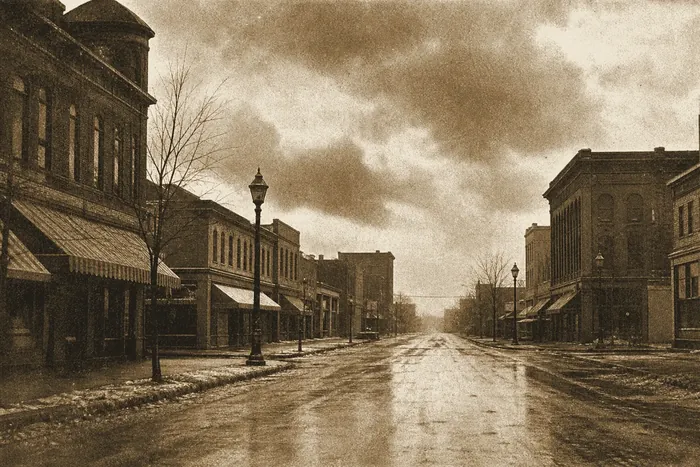
On 19 February 1942, Winnipeggers picked up a newspaper that told them their city had been conquered. The banner announced an invasion; inside were reports of internment, censorship and a swastika flying over the legislature. None of it was real. All of it was on the front page.
“If Day” was one of the most ambitious war-bond promotions ever staged in Canada. Volunteers in German uniforms rolled through downtown in mock armoured vehicles, “arrested” the premier and the mayor, and closed shops and schools. The Free Press produced a special edition — retitled and reset — to imagine what occupation would read like if the war were lost. It was propaganda in the literal sense: a deliberate fiction meant to move readers to action.
The stunt worked. The Victory Loan campaign that “If Day” launched raised more money than organisers had projected, and the images travelled far beyond Manitoba. But the most enduring artefact is the newspaper itself. A front page is normally trusted precisely because it reports what happened. Here, the form was borrowed to report what had not happened — and readers understood the difference instantly, because they knew what a real front page looked like.
There was a risk in the exercise, and the organisers knew it. A newspaper that cries invasion on a day when there is none spends some of the trust it has banked with readers. What made “If Day” work rather than backfire was context: the stunt was announced, the mock soldiers were plainly local volunteers, and the whole city was in on the performance. The special edition was read as theatre precisely because everyone knew what a genuine Free Press front page looked like — which is another way of saying the joke depended on the authority it was borrowing.
That is why the edition belongs in this archive. It is a front page about front pages: a demonstration, in 1942, of how much authority a masthead and a banner headline carried, and how that authority could be pointed at a civic goal. We preserve it as a curiosity and as a lesson in how Canadians read their news.
About this front page
Questions & answersWhich newspaper and date does this special edition represent?
It represents the Winnipeg Free Press "If Day" Special edition for 19 February 1942. On that morning Winnipeggers picked up a newspaper that told them their city had been conquered - a banner announcing an invasion that had not actually happened.
What was "If Day"?
"If Day" was one of the most ambitious war-bond promotions ever staged in Canada. Volunteers in German uniforms rolled through downtown in mock armoured vehicles, "arrested" the premier and the mayor, and closed shops and schools. The Free Press produced a special edition to imagine what occupation would read like if the war were lost.
Did the stunt achieve its goal?
Yes. The Victory Loan campaign that "If Day" launched raised more money than organisers had projected, and the images travelled far beyond Manitoba. It worked rather than backfired because the stunt was announced, the mock soldiers were plainly local volunteers, and the whole city was in on the performance.
How is this staged front page presented in the archive?
It is shown as an original typographic reconstruction of the front page, rebuilding the masthead, banner headline and dateline. The archive preserves it as a curiosity and a lesson in how Canadians read their news, presented as a recreated plate rather than a scan of the copyrighted original.