The history of Canada, one front page at a time.
Every headline that stopped the country — preserved exactly as it appeared the morning after.
Pages
·CA·
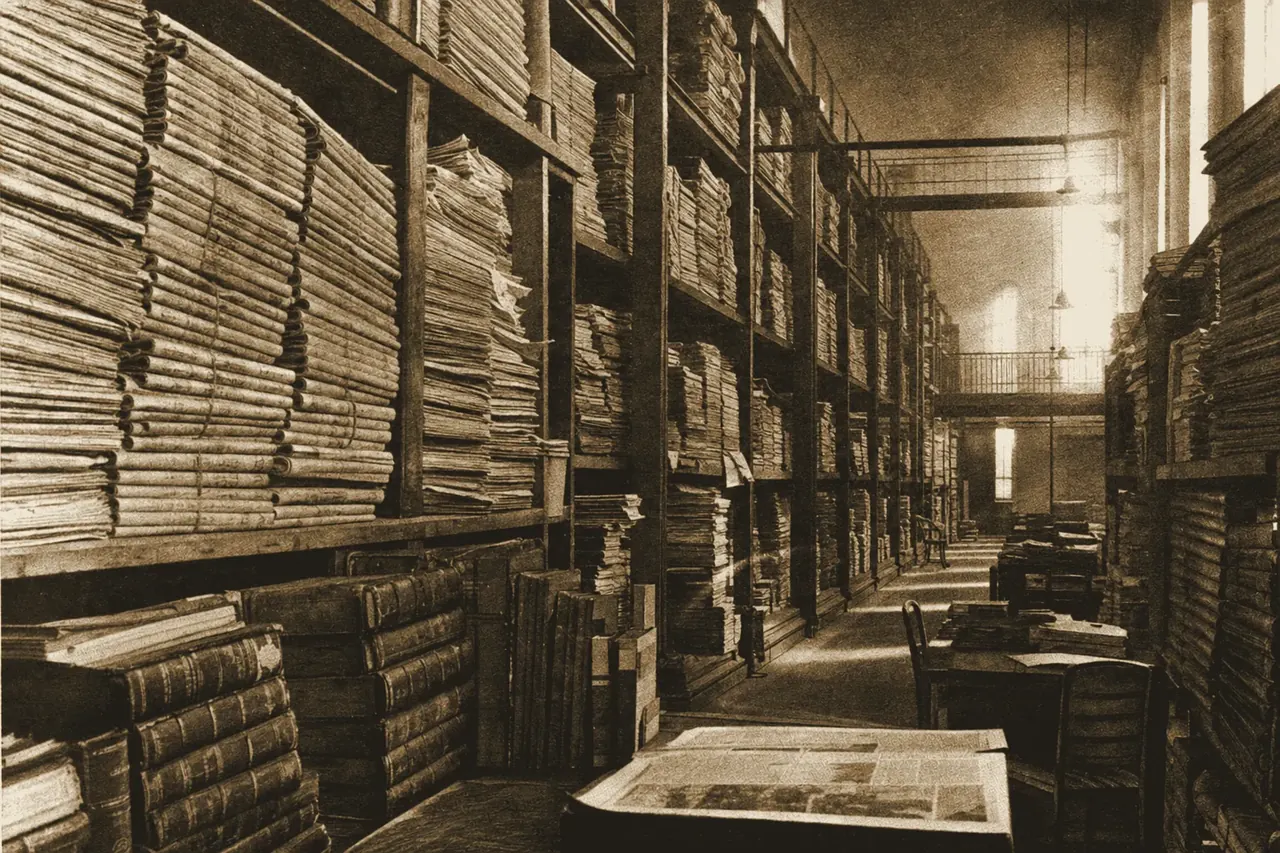
Front pages that made history
Featured · 6 of 28

“The front page is the first draft of history — and the last thing a nation forgets.”
Why we keep the archive
Why we keep the front pages
The idea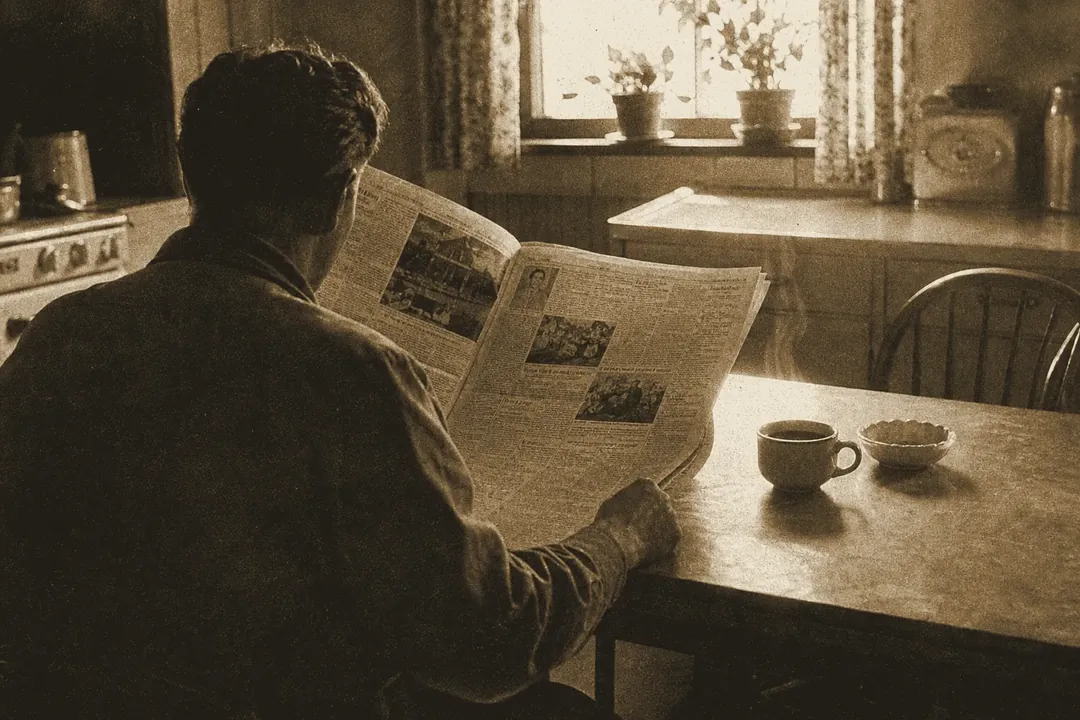
A newspaper front page is the one page a whole country sees at once. It is edited overnight, printed in the dark and delivered before breakfast, and by the time it lands on a doorstep it has already made its decisions: what matters, how large to set it, which photograph earns the space above the fold. Read years later, a front page tells you two things at the same time — what happened, and how the people of that morning were asked to feel about it.
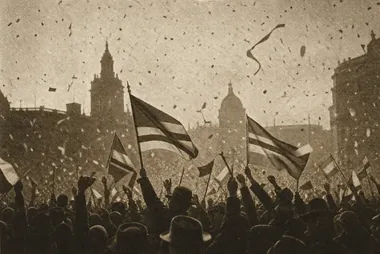
FrontPages.ca collects the mornings that stayed with Canadians. Not every edition ever printed — the country’s libraries and archives keep that fuller record — but the front pages that a nation remembers: the victory carried up a ridge in 1917, the strike that stopped a city in 1919, the shuttle that broke apart on live television in 1986, the overtime goal that closed a home Olympics in 2010. Each is preserved here with the headline it wore and a short, plainly written account of the day behind it.
The pages are grouped into seven collections — heroes, war, sport, science, politics, arts and Canada abroad — so a reader can follow a single thread through the decades, or simply wander the years in the viewing gallery. However you arrive, the aim is the same: to let you stand, for a moment, exactly where a reader stood on the morning the news broke.
We present each front page as a typographic reconstruction rather than a scanned image. Many original pages remain in copyright, held by publishers still in business, and reproducing them would make the archive fragile and closed. Rebuilding each page as a plate — faithful to the words and the layout, drawn rather than photographed — keeps the collection free, open and durable, and keeps the emphasis on the headline itself.
The archive is written and maintained anonymously as an editorial project, and it carries no advertising. Newspaper titles are named for identification and accuracy, the way any work of history names its subjects. If that sounds like the kind of quiet, careful reference you were looking for, start with the viewing gallery, walk the year through On This Day, or read more about how the archive works.
How the archive is organised
Every front page here belongs to one of seven collections, each tracing a different thread through the country’s story — heroes and war, sport and science, politics, culture, and Canada’s dealings with the wider world. Within a collection the pages run in date order, so you can watch a theme develop across the decades. If you would rather travel by time than by topic, the viewing gallery lays the whole archive out decade by decade, and the On This Day almanac walks the calendar one date at a time.
Reading a reconstruction
Each page is rebuilt rather than scanned: the masthead, the banner headline and the dateline are set as readers first met them, with the story of the morning told plainly beneath. Dates, places and newspaper titles are checked against the public record before a page is published, and where the sources disagree we say so rather than smoothing the difference away. The result is meant to be read slowly — a small, careful record of the mornings that shaped a country.
Questions & answers
Good to knowWhat is FrontPages.ca?
FrontPages.ca is an independent archive of historic Canadian newspaper front pages. Each entry preserves a front page that marked a moment in the country’s story, alongside a short, plainly written account of the day behind the headline.
Are these scanned newspapers?
No. Every front page here is a typographic reconstruction rather than a scanned image. The masthead, the banner headline and the dateline are rebuilt as readers first met them, which keeps the archive free, open and clear of copyright on the original printed pages.
How are the front pages chosen?
The archive is deliberately small and curated. We look for the mornings that stayed with Canadians — pages where the headline, the type size and the layout say something about how the country understood a moment. The entries are grouped into seven themed collections.
How often is the archive updated?
New front pages are added periodically. The collection grows slowly and by hand, with each addition chosen for the same reason as the rest: that the front page, and the day behind it, still has something to say.
Who publishes FrontPages.ca?
The archive is written and maintained anonymously as an editorial project, and it carries no advertising. Newspaper titles are named for identification and historical accuracy, the way any work of history names its subjects.