The Springhill Miracle
After days digging into a collapsed Nova Scotia coal mine, rescuers reached men still alive underground — as the country held its breath by television.
On 30 October 1958, the front page carried news that had seemed, for days, almost too much to hope for. Deep beneath Springhill, Nova Scotia, rescuers had reached men still alive, trapped since a violent collapse a week earlier. Editors set the headline in the largest type they had, because the story it announced had reversed itself from tragedy toward something the papers reached for the word “miracle” to describe.
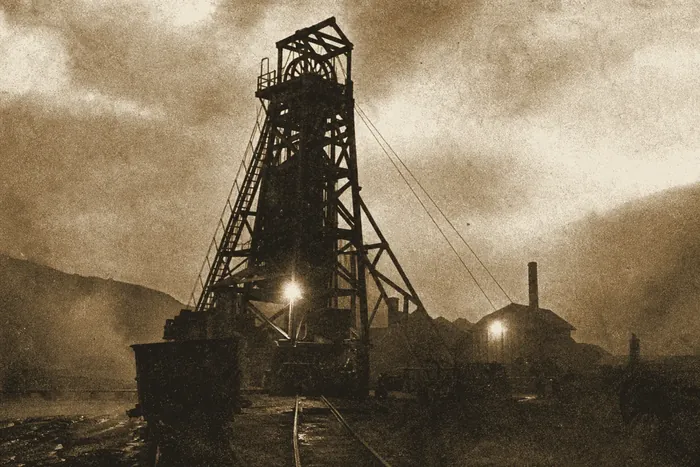
The disaster had begun on 23 October, when an underground “bump” struck the deep coal mine. A bump was the miners’ word for a sudden, violent failure of the rock under pressure, a seismic shudder that could crush tunnels and seal off the men working within them in an instant. Springhill’s mine was among the deepest in the country, and the collapse trapped groups of miners far below the surface, cut off from air, light, and any certain knowledge that help was coming.
What followed was a rescue conducted by men who went back down into the ground the disaster had just proven treacherous. Trained rescue workers known as draegermen, named for the breathing apparatus they wore, worked alongside “barefaced miners,” fellow workers who descended without such equipment to dig by hand toward where their trapped colleagues might be. For days they cleared rock and debris, uncertain until each breakthrough whether they would find survivors or confirm the worst.
A rescue the country could watch
Springhill unfolded before a new kind of audience. Television, still a young medium in Canadian homes, carried the vigil at the pithead into living rooms, and the story became one of the first national emergencies that people followed as it happened rather than reading about it after the fact. When rescuers reached the first survivors, and then more in the days around the end of October, the news that had been narrated on screen was fixed the next morning in the permanence of the front page.
The relief carried grief within it. Many miners did not come up, and the same editions that celebrated the survivors carried the weight of those who were lost, along with the toll on a small town whose livelihood and losses were both bound to the mine. The front page held the two together: the men brought back alive, and the community that had waited at the surface, counting.
The archive keeps this page because it records a moment when a country learned, in print and on screen at once, that endurance underground had been met by endurance above it. It is the document of a morning when readers opened the paper to find that the digging had not been in vain, and that in a mining town on the edge of the Atlantic, men who had been given up for lost were, against the odds, coming home.
About this front page
Questions & answersWhich newspaper front page recorded the Springhill mine rescue, and when was it published?
The plate reconstructs the front page of The Chronicle-Herald of Halifax, in its Final Edition, dated 30 October 1958. That morning the paper carried the news that rescuers had reached men still alive underground at Springhill, Nova Scotia, with the banner set in the largest type the editors had.
What caused the Springhill disaster in October 1958?
The disaster began on 23 October 1958, when an underground "bump" struck the deep coal mine. A bump was the miners' word for a sudden, violent failure of the rock under pressure, a seismic shudder that could crush tunnels and seal off the men working within them. Springhill's mine was among the deepest in the country.
Who carried out the rescue at Springhill?
The rescue was carried out by trained rescue workers known as draegermen, named for the breathing apparatus they wore, working alongside "barefaced miners," fellow workers who descended without such equipment to dig by hand. For days they cleared rock and debris toward where their trapped colleagues might be, uncertain until each breakthrough whether they would find survivors.
Is the image on this page a scan of the original 1958 newspaper?
No. The page shown is an original typographic reconstruction of the front page, rebuilding the masthead, banner headline and dateline as they appeared. It is not a scan or photograph of the copyrighted printed page, but a plate assembled to represent how the news was set out that morning.