Terry Fox Runs His Last Mile
The morning the country learned that the young man who had tried to run across it, one marathon a day on one leg, had died at twenty-two.
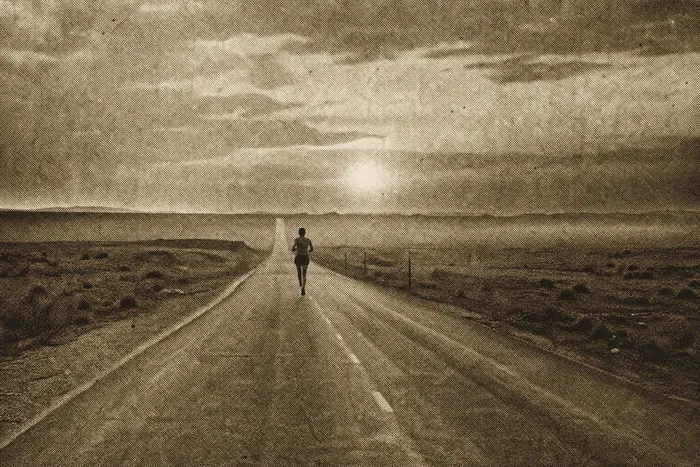
On the morning of 28 June 1981, the front pages carried a headline that many readers had been dreading for months. Terry Fox, the young man from British Columbia who had set out to run across Canada on one leg, had died. He was twenty-two. The news closed a story the country had been following since the previous spring, and it arrived on doorsteps in the largest type editors reserved for the loss of someone the public had come to feel it knew.
Fox had lost his right leg to cancer as a teenager. In April 1980 he dipped his artificial leg into the Atlantic at St. John’s, Newfoundland, and began what he called the Marathon of Hope: a run westward across the country to raise money for cancer research. His plan was almost impossibly simple in its ambition. He would run close to a marathon a day, on a prosthesis, until he reached the Pacific. For months he did exactly that, his distinctive hop-and-stride gait becoming familiar on highways through the Atlantic provinces, Quebec, and Ontario.
The run ended before the country did. Near Thunder Bay, in September 1980, Fox was forced to stop when the cancer that had taken his leg was found to have spread to his lungs. He had covered thousands of kilometres. The front pages that reported the halt were already, in a sense, rehearsing the ones that would come the following summer, and the outpouring of donations that followed turned a personal goal into a national campaign.
A record of how the country was asked to mourn
The death notice was, for editors, a decision as much as an announcement. They chose to run it at the top of the page, in banner type, with photographs of a young man mid-stride rather than in a hospital bed. That choice framed how readers were asked to remember him: not as a patient but as a runner who had willed himself down the Trans-Canada Highway. Beneath the headline, columns gathered the arc of the journey, the medical facts, and the early expressions of grief from across the country.
What the front page could not yet report was the scale of what would follow. The annual Terry Fox Run, first held that autumn, would grow into one of the largest single-day fundraising events for cancer research in the world, carried on in schools and towns far beyond Canada’s borders. The money raised in his name would eventually be counted in the hundreds of millions. The archive includes this page because it marks the hinge between the man and the movement, the moment the story passed from news into memory.
Read now, the page holds both things at once: the finality of a young death and the beginning of something that refused to end with it. It is a document of a morning when a country woke to learn that a run it had adopted as its own was over, and discovered, in the same breath, that it did not intend to let the runner be forgotten.
About this front page
Questions & answersWhich front page announced Terry Fox's death, and on what date?
The plate reconstructs the front page of The Globe and Mail of Toronto, in its Final Edition, dated 28 June 1981. It carried the headline that many readers had been dreading for months: that Terry Fox, the young man who had set out to run across Canada on one leg, had died at twenty-two.
What was the Marathon of Hope?
Terry Fox had lost his right leg to cancer as a teenager. In April 1980 he dipped his artificial leg into the Atlantic at St. John's, Newfoundland, and began what he called the Marathon of Hope, a run westward across the country to raise money for cancer research, aiming to run close to a marathon a day on a prosthesis until he reached the Pacific.
Why did Terry Fox's run end before he crossed the country?
The run ended near Thunder Bay in September 1980, when Fox was forced to stop after the cancer that had taken his leg was found to have spread to his lungs. He had covered thousands of kilometres. The outpouring of donations that followed turned a personal goal into a national campaign.
Is this a scan of the 1981 Globe and Mail front page?
No. The page is an original typographic reconstruction of the front page, rebuilding the masthead, banner headline and dateline. It recreates how editors chose to present the news, running it at the top of the page in banner type, rather than reproducing a scan of the copyrighted printed original.