A New Canadian Art
In May 1920, a small group of painters opened a Toronto exhibition that would unsettle critics and, in time, define how a nation pictured itself.
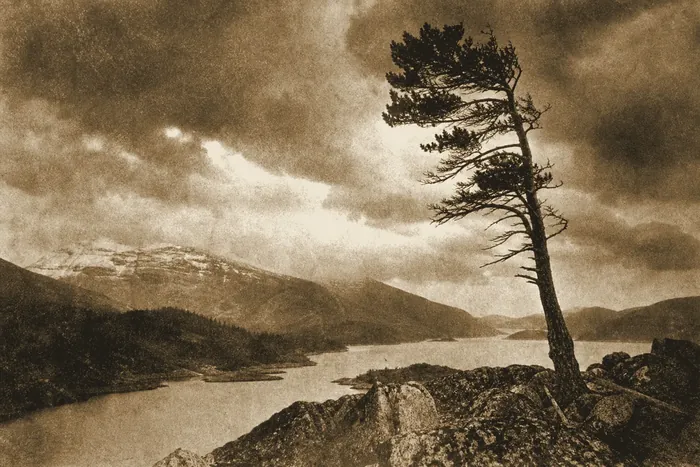
In May 1920, an exhibition opened at the Art Gallery of Toronto by a group of painters who had chosen, with some deliberation, to present themselves as a movement. They called themselves the Group of Seven, and the work on their walls — bold, high-coloured landscapes of the northern Canadian wilderness — was unlike the polished, European-derived painting that many gallery-goers of the day expected. The newspapers that covered the opening were reporting not just an art show but the arrival of an argument about what Canadian art should be.
The reception was mixed, and at times sharply hostile. To some critics the canvases looked crude, unfinished, even wilfully ugly, their thick paint and severe compositions a rejection of accepted taste. The painters, for their part, framed their work as a break from imitation: an attempt to see the land on its own terms rather than through borrowed conventions. That tension — between a public trained in one visual language and artists insisting on another — is what the early coverage recorded.
From Controversy to Canon
What makes the 1920 exhibition significant is less the immediate verdict than the long reversal that followed. The painting that struck many as raw would, within a generation, come to be regarded as a defining national school. The rocks, pines, and lakes of the Canadian Shield, rendered in the Group’s distinctive manner, became some of the most recognizable images the country produced. Reproductions found their way into schools, offices, and homes, until the style seemed less an experiment than a settled way of seeing the country.
The front pages and arts columns of the period sit at an instructive moment: the point before the outcome was known. A reader in 1920 could not have been certain whether these painters represented a passing provocation or a lasting turn. The newspaper’s task was to describe the work, register the debate, and let readers weigh it — a reminder that the judgments later taken for granted were, at the time, genuinely open questions.
The archive includes this page because it documents the meeting of art and public opinion at a formative stage. Newspapers were, for most people, the first place they encountered new painting; the framing offered there shaped how the work was understood before anyone stood in front of it. To read the coverage now is to watch a national style being contested in real time, its eventual authority far from assured.
The Group’s story also belongs to a wider current in the years after the First World War, when several countries were reaching for cultural forms that felt distinctly their own. In Canada, the search for a native artistic voice found one answer in the northern landscape, and the Group of Seven became its most enduring expression. That the movement grew and changed — losing and adding members, extending its influence well beyond its original circle — only underscores how a single exhibition can open a longer chapter.
Seen from the present, the coverage of that May opening is a record of a country beginning to picture itself differently. The front page did not settle the debate; it presented it, and in presenting it helped readers understand that something in Canadian art had shifted. That is the quiet work such a page performs: to mark, for the people reading it, the first appearance of an idea that would later feel inevitable.
About this front page
Questions & answersWhich newspaper and date does this front page represent?
It represents The Globe, Morning Edition, of Toronto, for the exhibition that opened in May 1920. The newspapers covering the opening were reporting not just an art show but the arrival of an argument about what Canadian art should be.
What was the Group of Seven exhibition, and how was it received?
In May 1920 a group of painters calling themselves the Group of Seven opened an exhibition at the Art Gallery of Toronto, showing bold, high-coloured landscapes of the northern Canadian wilderness. The reception was mixed and at times sharply hostile, with some critics finding the canvases crude, unfinished, even wilfully ugly.
How did the reputation of the work change over time?
What had struck many as raw would, within a generation, come to be regarded as a defining national school. The rocks, pines and lakes of the Canadian Shield, rendered in the Group's distinctive manner, became some of the country's most recognisable images, reproduced in schools, offices and homes until the style seemed a settled way of seeing the country.
Is the plate shown here a scan of the original 1920 newspaper?
No. It is an original typographic reconstruction of the front page, rebuilding the masthead, banner headline and dateline. The archive presents it as a recreated document rather than a scan of the copyrighted printed page.