A Canadian in Orbit
The day a naval engineer from Quebec City became the first Canadian in space, and a young astronaut programme earned its place among spacefaring nations.
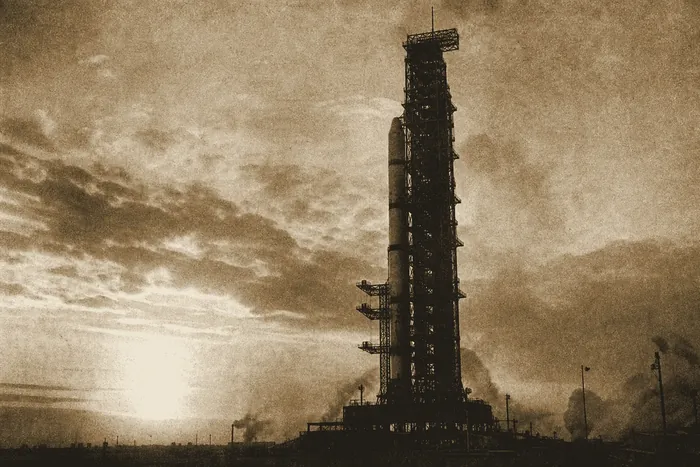
On October 5, 1984, Canada crossed a threshold it had never crossed before. Marc Garneau, a naval engineer, lifted off aboard the United States space shuttle Challenger and became the first Canadian in space. For a country that had contributed to the space age largely through instruments and technology rather than travellers, the sight of one of its own in orbit marked a genuine first, and the front pages treated it as such.
Garneau flew as a payload specialist on mission STS-41-G, one of a crew carrying out scientific and observational work during the flight. He was not the mission commander, nor a career American astronaut, but a representative of Canada’s newly created astronaut programme, chosen from a national selection process only the year before. That context gave the achievement a particular meaning: it was the first return on a deliberate national decision to put Canadians into space.
The reporting balanced pride with plain explanation. Readers wanted to know who Garneau was, what he would do aboard the shuttle, and what it meant for a country that had until then watched spaceflight as an American and Soviet contest. The story was one of participation, of Canada joining the small group of nations whose citizens had left the Earth, and newspapers framed it accordingly, keeping the tone celebratory but grounded in the facts of the mission.
Garneau’s flight also connected to Canada’s established strengths in space. The country was already known for its contributions to the shuttle programme, most famously the robotic arm, and Garneau’s presence aboard extended that partnership from hardware to people. It signalled that Canada intended to be present in human spaceflight, not merely a supplier to it.
The moment proved to be a beginning rather than an isolated event. Garneau would fly again in later years and go on to a public career, and the astronaut programme he helped inaugurate would send other Canadians into orbit in the decades that followed. But the first crossing belongs to that October day, and to the front pages that recorded it.
The archive keeps this page as a marker of the day Canada’s reach extended beyond its own atmosphere. A front page is a record of how a country was asked to understand a moment, and on this morning the message was straightforward and rare: for the first time, one of us is up there. It is the kind of news a nation wakes to only once, and the page preserves the plain wonder of it.
About this front page
Questions & answersWhich newspaper front page marked Marc Garneau's spaceflight, and on what date?
The archive reconstructs the Final Edition of The Ottawa Citizen, published for 5 October 1984. It recorded the day Marc Garneau, a naval engineer, became the first Canadian in space, a genuine first the front pages treated as such.
How did Marc Garneau reach orbit and in what role?
Garneau lifted off aboard the United States space shuttle Challenger, flying as a payload specialist on mission STS-41-G. He was not the mission commander nor a career American astronaut, but a representative of Canada's newly created astronaut programme, chosen from a national selection process only the year before.
How did the flight connect to Canada's existing role in space?
The country was already known for its contributions to the shuttle programme, most famously the robotic arm. Garneau's presence aboard extended that partnership from hardware to people, signalling that Canada intended to be present in human spaceflight rather than merely a supplier to it.
Does this page show the original printed front page from 1984?
No. It is an original typographic reconstruction that rebuilds the masthead, banner headline and dateline in type, rather than a scan of the copyrighted printed page. The aim is to preserve how the news was presented to readers on the morning it broke.