War Measures in Peacetime
The week soldiers appeared on Canadian streets and a kidnapped minister was found dead — testing how far a democracy would go against a threat within.
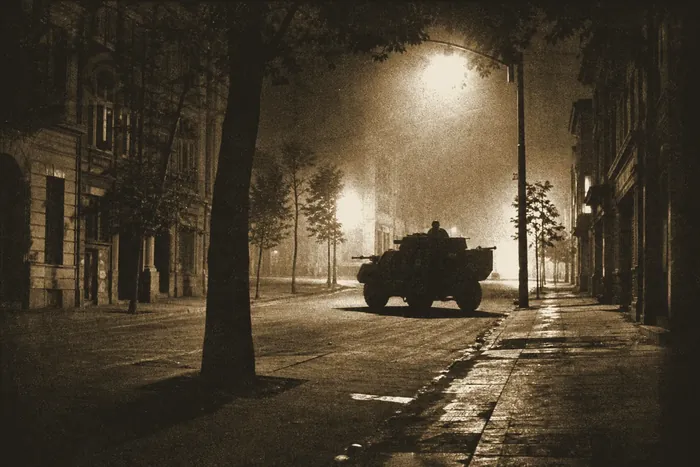
In October 1970, Canada confronted a crisis without recent precedent, and the front pages of Montreal recorded it day by day. The Front de libération du Québec, a militant separatist group known as the FLQ, had turned to kidnapping, seizing the British diplomat James Cross and, days later, the Quebec cabinet minister Pierre Laporte. The abductions moved political violence from the abstract to the immediate, and the response that followed would test the limits of the state.
On October 16, the federal government invoked the War Measures Act, an extraordinary law granting sweeping powers, and deployed the army. Soldiers appeared on the streets of Montreal and Ottawa, and authorities were empowered to detain people without the usual protections. For a country at peace, the sight of troops guarding public buildings and patrolling city streets was startling, and the newspapers conveyed both the gravity of the government’s action and the shock of seeing it happen at home.
The crisis turned darker the next day. On October 17, Pierre Laporte was found dead, and the kidnapping of a minister became a killing. The front pages that carried this news marked the moment the crisis crossed from confrontation to tragedy, and the reporting reflected a public trying to absorb that political murder had occurred on Canadian soil. The death hardened attitudes and gave the government’s emergency measures a grim justification in the eyes of many, while sharpening the objections of those who feared the powers themselves.
Just watch me
The period is associated with one of the most quoted lines in Canadian political history. Asked by reporters how far he would go in using the state’s power against the crisis, Prime Minister Pierre Trudeau replied, in effect, “just watch me,” a phrase that came to capture his resolve and the confrontational tone of the government’s stance. The exchange, remembered long after the details of the crisis faded for many, distilled the central question the front pages were wrestling with: how far a free society should go to protect itself.
That question did not have an easy answer then, and it has been debated ever since. The invocation of the War Measures Act was supported by many Canadians alarmed by the violence, and criticized by others who saw the detentions and the suspension of ordinary liberties as an overreach that a democracy should not permit. The newspapers of October 1970 became the record of a country arguing with itself in real time, under the pressure of events still unfolding.
James Cross was eventually released, and the men responsible for the crisis faced the consequences of their actions, but the episode left a lasting mark on Quebec and on Canada. It shaped how the country thought about political violence, about emergency powers, and about the balance between order and freedom.
The archive keeps these pages because they document a rare moment when Canadians woke to find their own streets under military guard and their government wielding powers reserved for war. A front page records how a country is asked to understand a moment; in October 1970, it asked Canadians to understand how fragile ordinary peace could be, and how much they were willing to surrender to restore it.
About this front page
Questions & answersWhich newspaper front page recorded the October Crisis, and on what date?
The archive reconstructs the Final Edition of The Montreal Star, dated 17 October 1970. It marked the day troops appeared on Canadian streets and a kidnapped minister was found dead, as the front pages of Montreal recorded the crisis day by day.
What actions by the FLQ and the government brought on the crisis?
The Front de liberation du Quebec, a militant separatist group, kidnapped the British diplomat James Cross and, days later, the Quebec cabinet minister Pierre Laporte. On 16 October the federal government invoked the War Measures Act, granting sweeping powers and deploying the army, so soldiers appeared on the streets of Montreal and Ottawa.
What made 17 October 1970 the crisis's darkest turn?
On that day Pierre Laporte was found dead, and the kidnapping of a minister became a killing. The front pages carrying the news marked the moment the crisis crossed from confrontation to tragedy, and the reporting reflected a public trying to absorb that political murder had occurred on Canadian soil.
Does the archive display the actual printed front page from 1970?
No. It is an original typographic reconstruction that rebuilds the masthead, banner headline and dateline in type, rather than a scan of the copyrighted printed page. It is presented to convey how Canadians were asked to understand the moment.