Bloody Saturday — the Winnipeg General Strike
Six weeks that stopped a city in 1919, and the morning the Winnipeg front pages reported the strike's violent collapse on Bloody Saturday.
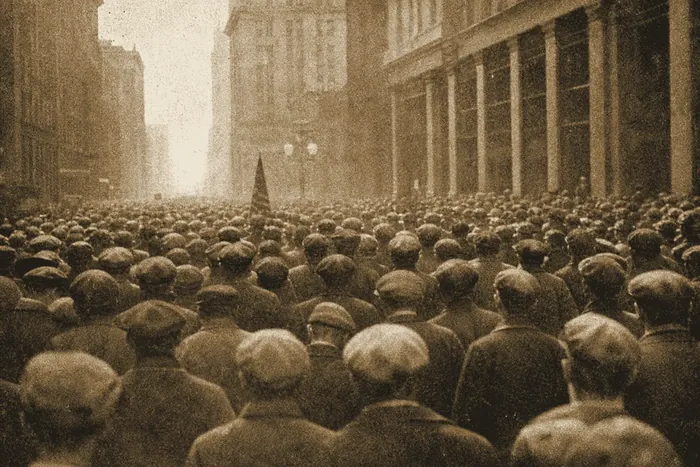
For six weeks in the spring of 1919, Winnipeg stopped. At its peak the general strike drew some 30,000 workers off the job, shutting factories, transit, deliveries and much of the city’s daily machinery. It was one of the largest and most consequential labour actions in Canadian history, and it played out on the front pages every morning it lasted.
The coverage was not neutral, and the archive does not pretend it was. Winnipeg’s dailies took sides, and the newspapers themselves became part of the conflict — strikers published their own bulletins when the established papers would not carry their case. Reading the front pages from those weeks means reading a city arguing with itself in print, each edition a move in a larger struggle over who spoke for the public.
The turning point came on 21 June, “Bloody Saturday,” when a charge by mounted police left two dead and dozens injured, and the strike’s leadership was arrested. Within days the action collapsed. The front page preserved here reports that collapse — the banner headline flattening six weeks of tension into a single line of type.
The role of the press in the strike is itself part of the history. When the established dailies would not carry the strikers’ case, the strike committee published its own bulletin, and for a time the city had rival front pages competing to define what was happening on its streets. That competition is a reminder that a front page is never only a mirror held up to events; it is also a participant, choosing which facts lead and which voices are heard. Reading the 1919 pages means reading that choice being made in real time.
What makes the edition worth keeping is exactly what makes it uncomfortable. It shows a front page doing more than reporting events: shaping them, taking part in them, and recording the moment a movement was broken. For anyone studying how Canadian newspapers covered labour, class and dissent, the Winnipeg front pages of 1919 are among the most important documents in the archive.
About this front page
Questions & answersWhich newspaper front page recorded the collapse of the Winnipeg General Strike, and when?
The plate reconstructs the front page of The Manitoba Free Press of Winnipeg, from Vol. LI, No. 148, dated 23 June 1919. It reports the strike's collapse, the banner headline flattening six weeks of tension into a single line of type.
How large was the Winnipeg General Strike?
For six weeks in the spring of 1919, Winnipeg stopped. At its peak the general strike drew some 30,000 workers off the job, shutting factories, transit, deliveries and much of the city's daily machinery. It was one of the largest and most consequential labour actions in Canadian history.
What happened on "Bloody Saturday"?
The turning point came on 21 June 1919, known as "Bloody Saturday," when a charge by mounted police left two dead and dozens injured, and the strike's leadership was arrested. Within days the action collapsed. The front page preserved here reports that collapse.
Is the page a scan of the original 1919 newspaper?
No. It is an original typographic reconstruction of the front page, rebuilding the masthead, banner headline and dateline. The archive notes that the coverage of the day was not neutral, and the plate represents how the established daily set the news out rather than reproducing a scan of the copyrighted printed page.