A Country by a Whisker
The night Quebec voted on leaving Canada, the country held by the narrowest of margins — a result that reshaped politics for a generation.
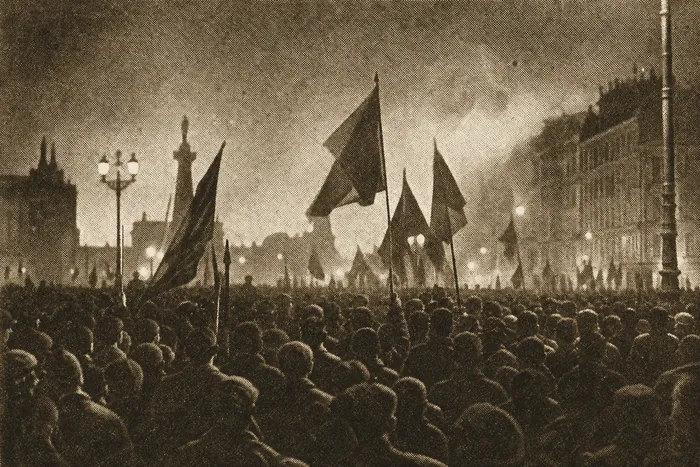
On October 30, 1995, Quebec voted on whether to pursue sovereignty, and Canada waited through an evening that would decide whether the country stayed whole. It was the second such referendum in fifteen years, but this one was different: as the ballots were counted, it became clear that the result would be desperately close. The front pages that went to press that night and the next morning had to report an outcome that hung in the balance until nearly the end.
The “No” side prevailed, but only barely, by a margin of roughly one percentage point, with the vote splitting close to evenly. Canada had remained intact not by a decisive expression of will but by a whisker, and the numbers themselves became the story. A result so narrow could not be read as a settled answer; it was closer to a nation discovering how divided it was, province and country alike balanced on a razor’s edge.
A night of high emotion
The campaign had been led on the sovereignty side by figures who commanded deep loyalty, among them Quebec premier Jacques Parizeau and the charismatic Lucien Bouchard, whose late prominence energized the “Yes” vote and brought the sovereigntist cause within reach of victory. The intensity of the campaign carried into the results night, and the front pages captured a province and a country gripped by an outcome that neither side could take for granted until the final count.
The closeness produced consequences that outlasted the night. The referendum’s aftermath included recrimination and reflection on both sides, debate over the conduct of the vote, and a lasting sense in the rest of Canada of how nearly the country had come to breaking apart. The margin was too thin to close the question and too real to ignore, and it set the terms of federal-provincial politics for years afterward.
For the newspapers, reporting a near-tie posed its own challenge. There was no triumphant single word that fit the moment, no clean victory to announce, only a result that required readers to sit with its narrowness. The coverage conveyed relief among federalists, disappointment among sovereigntists, and, across both, an awareness that the country’s unity had been shown to be a matter of the finest margin rather than a settled fact.
The 1995 referendum did not end the debate over Quebec’s place in Canada, but it changed how that debate was carried on. It prompted new laws and new arguments about the conditions under which such a question might be asked again, and it left a memory, vivid for those who lived through it, of a night when the future of the country was genuinely uncertain.
The archive includes this page because it records one of the closest calls in the country’s history, the morning Canadians learned they had remained one country by the slimmest of margins. A front page is the record of how a nation is asked to understand a moment; on this one, the message was not victory or defeat but survival by a hair, and the sober recognition of how close the alternative had come.
About this front page
Questions & answersWhich newspaper front page reported the 1995 Quebec referendum, and on what date?
The archive reconstructs the Final Edition of The Gazette of Montreal, dated 30 October 1995. It reported the night Quebec voted on whether to pursue sovereignty and Canada waited through an evening that would decide whether the country stayed whole.
How close was the referendum result?
The "No" side prevailed, but only barely, by a margin of roughly one percentage point, with the vote splitting close to evenly. Canada had remained intact not by a decisive expression of will but by a whisker, and a result so narrow could not be read as a settled answer. It was the second such referendum in fifteen years.
Who led the sovereignty campaign?
The sovereignty side was led by figures who commanded deep loyalty, among them Quebec premier Jacques Parizeau and the charismatic Lucien Bouchard, whose late prominence energised the "Yes" vote and brought the sovereigntist cause within reach of victory. The intensity of the campaign carried into the results night.
Does the archive show the actual newspaper printed that night?
No. It is an original typographic reconstruction of the front page, rebuilding the masthead, banner headline and dateline in type rather than reproducing a scan of the copyrighted printed page. It preserves how the near-tie was reported to readers.